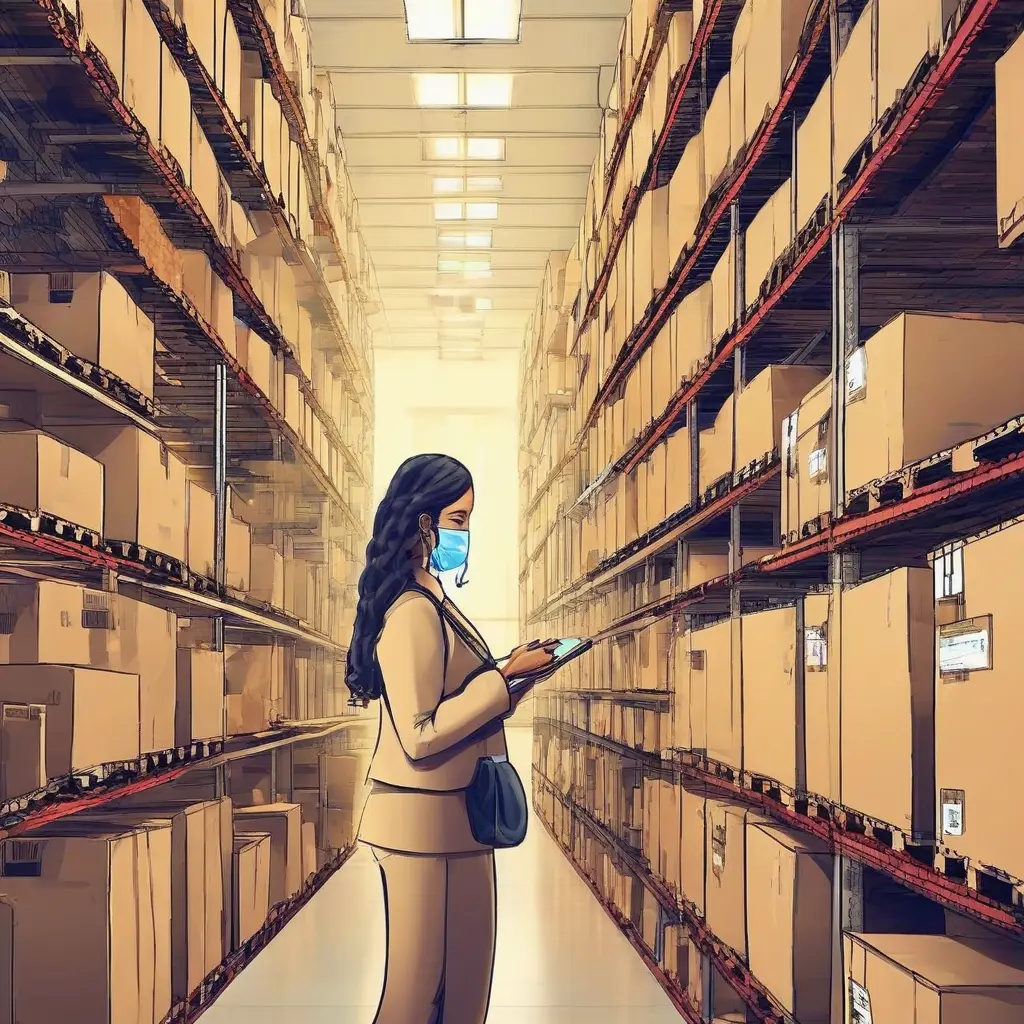
Blockchain technology is rapidly transforming supply chain management in India by enhancing transparency, improving efficiency, and reducing fraud. With an interconnected global marketplace, the need for reliable tracking and verification of goods has never been greater. This innovative technology allows for real-time data sharing among all stakeholders, facilitating smoother logistics operations and ensuring compliance with regulations. In a country known for its diverse supply chains, blockchain stands out as a solution to many of the systemic challenges faced by businesses. Understanding its implications can help stakeholders optimize their operations and better serve their customers.
Understanding Blockchain Technology
Blockchain technology is a decentralized digital ledger that records transactions across multiple computers. This makes it nearly impossible to alter or hack the data without the consensus of the network. Each transaction is grouped into a block, which is then added to a chain of previous blocks, creating an unchangeable record. In supply chains, this technology enhances traceability, giving stakeholders the ability to track products from their origin to the end consumer. Its secure and transparent nature addresses many challenges posed by traditional supply chain methods, thereby setting a new standard in the industry.
The Current State of Supply Chains in India
India’s supply chains face several challenges, including inefficiencies, lack of transparency, and problems with trust among stakeholders. The traditional model often relies on numerous intermediaries, leading to delays and increased costs. Additionally, the inability to track products accurately can result in misinformation and loss of revenue for businesses. This situation not only affects manufacturers and distributers but also consumers, who suffer from subpar quality assurance. Implementing innovative solutions like blockchain can address these issues and foster a more reliable supply chain landscape in India.
Benefits of Blockchain for Supply Chain Transparency
One of the key benefits of blockchain technology in supply chains is enhanced transparency. All transactions recorded on a blockchain are visible to participants, fostering accountability among suppliers, manufacturers, and retailers. This transparency makes it easier to identify bottlenecks and inefficiencies in the supply chain, promoting a culture of continuous improvement. Moreover, customers can access information about product origins, ensuring they are making informed choices. This level of visibility does not just enhance operational efficiency but also builds trust with the end consumer, making it a valuable asset in today’s market.
Case Studies: Successful Implementations
Various companies in India have begun to adopt blockchain technology successfully to improve supply chain transparency. For instance, a leading agricultural firm implemented a blockchain-based tracking system to monitor the journey of its products from farm to table. This allowed them to ensure food safety and quality, earning consumer trust. Additionally, a prominent textile manufacturer used blockchain to authenticate its supply chain partners, which helped reduce counterfeiting and improve compliance with labor laws. These examples demonstrate the potential of blockchain technology to address specific challenges in Indian supply chains.
Challenges in Adopting Blockchain
Despite its numerous advantages, the adoption of blockchain technology in India’s supply chains is not without challenges. Issues such as the high cost of implementation, the need for skilled manpower, and resistance to change from traditional practices can hinder progress. Furthermore, the lack of regulatory clarity surrounding blockchain can create uncertainty for businesses looking to invest in this technology. Addressing these challenges is crucial for the wider adoption of blockchain and will require collaboration between public and private sectors, along with educational efforts to train the workforce.
Future Prospects of Blockchain in Supply Chains
The future of blockchain technology in Indian supply chains appears promising, with increasing interest from various sectors. As more businesses become aware of the benefits, the likelihood of widespread adoption will grow. Enhanced regulatory frameworks are also anticipated, which could encourage investment in blockchain solutions. Innovations such as smart contracts—self-executing contracts with the agreement directly written into lines of code—could further automate processes and reduce reliance on intermediaries. As these developments occur, blockchain has the potential to revolutionize supply chain transparency and efficiency in India, setting the stage for a more robust economy.
The Role of Government Policies
Government policies will play a critical role in shaping the future of blockchain technology in India’s supply chains. The Indian government has already initiated efforts to explore blockchain applications through various pilot projects. By establishing a regulatory framework that encourages innovation, the government can further promote the adoption of digital ledger technologies. Policies that incentivize businesses to invest in transparency measures can lead to improved trade practices, better product tracking, and ultimately, a more reliable supply chain system. The government’s active involvement can facilitate partnerships between private entities and academia, driving research and development in this field.
Education and Awareness
Increasing education and awareness about blockchain technology among businesses and consumers is essential for fostering a transparent supply chain. Educational institutions can play a pivotal role by incorporating blockchain into curricula, equipping future professionals with the necessary skills. Workshops and seminars can also be organized to demystify blockchain applications and benefits. Additionally, campaigns aimed at informing consumers about how blockchain enhances product traceability can further boost acceptance. By promoting knowledge around blockchain, stakeholders can ensure smoother transitions and better outcomes in supply chain management.
Collaborations and Partnerships
The successful implementation of blockchain in supply chains often requires collaborations and partnerships among various stakeholders, including technology providers, industry experts, and governments. By working together, organizations can share best practices and insights that can lead to more effective blockchain solutions. For instance, consortiums of companies can develop shared platforms that enhance visibility across supply chains, benefiting all participants. These partnerships can lead to innovations tailored to specific industries, providing customized solutions that address unique operational challenges. Ultimately, such collaborative efforts can enhance the overall effectiveness of blockchain technology in India.
Conclusion
In conclusion, blockchain technology has a significant potential to revolutionize supply chain transparency in India. By fostering traceability, accountability, and consumer trust, it addresses many of the systemic challenges faced in traditional supply chains. While hurdles exist in terms of adoption and implementation, the future looks promising as organizations, educators, and policymakers collaborate to harness this technology’s capabilities. Embracing blockchain offers the opportunity for a more efficient, transparent, and trustworthy supply chain ecosystem, ultimately benefiting consumers and businesses alike.