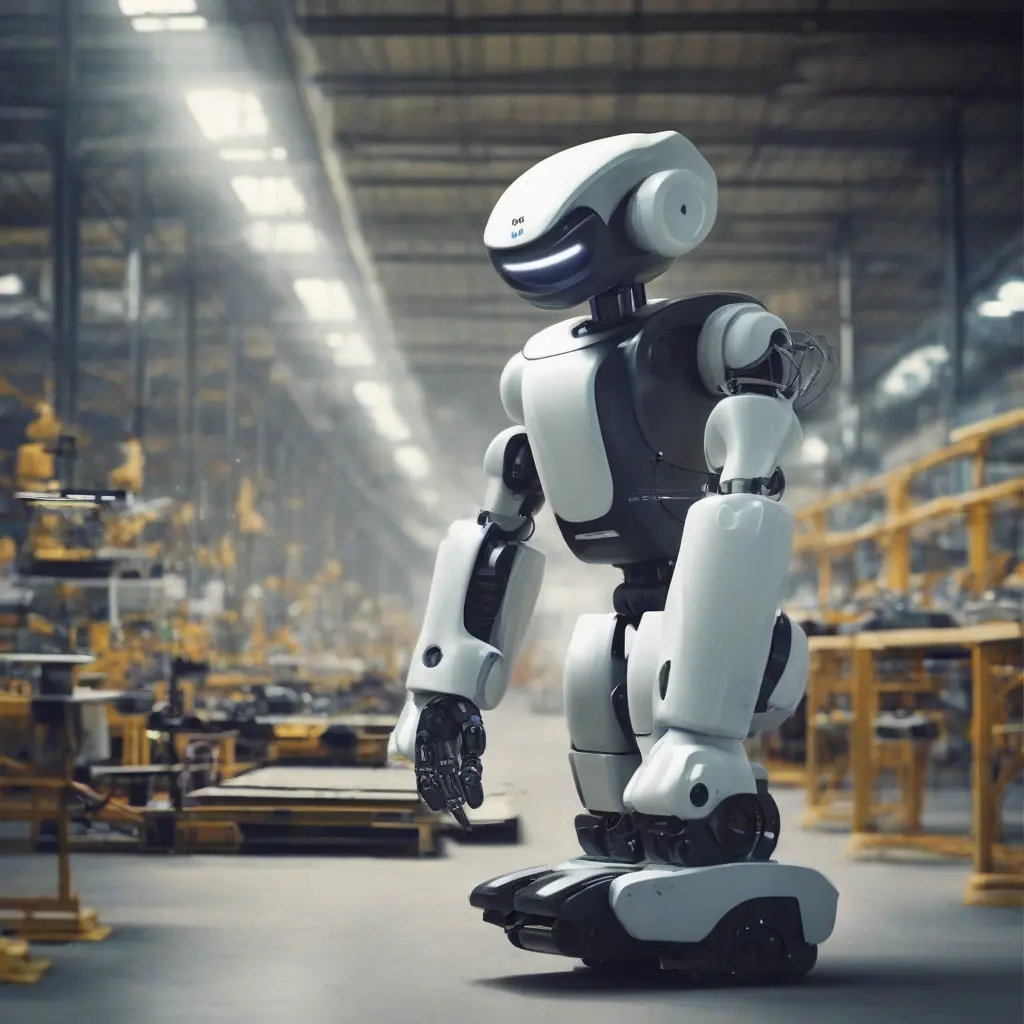
The manufacturing landscape in India is undergoing a significant transformation, driven by advancements in robotics and automation technologies. As industries strive to enhance productivity and reduce operational costs, the adoption of robotics has become crucial. From automotive to textiles, robots are increasingly integrated into various sectors, demonstrating their versatility and efficiency. This article delves into the latest developments in robotics within Indian manufacturing, focusing on industry trends, challenges, and the future of automation in this vibrant economy.
Current Trends in Robotics in Indian Manufacturing
Current trends in the Indian manufacturing sector highlight a notable shift towards automation and robotics. Industries are increasingly employing robots for tasks such as assembly, welding, and quality control. This trend is particularly prominent in the automotive sector, where precision and speed are paramount. Additionally, advancements in collaborative robots (cobots) allow human workers and machines to operate side by side, enhancing productivity. These developments not only streamline processes but also cater to the growing demand for customized products, ultimately leading to a more agile manufacturing ecosystem.
Impact of Robotics on Productivity
The integration of robotics in manufacturing has had a profound impact on productivity levels across various sectors. By automating repetitive tasks, robots significantly reduce human error, allowing for higher precision and faster production times. Furthermore, robots can operate continuously without fatigue, leading to enhanced operational efficiency. In industries such as electronics and food processing, this increased productivity translates to faster turnaround times and improved product quality, ensuring that companies remain competitive in a challenging market.
Challenges Faced in Robotics Adoption
Despite the numerous advantages, the adoption of robotics in Indian manufacturing is not without its challenges. High initial investment costs can deter small and medium enterprises (SMEs) from implementing robotic solutions. Additionally, there is a noticeable skills gap in the workforce, as many employees lack the technical know-how to manage and maintain advanced robotic systems. These challenges necessitate a strategic approach from both manufacturers and policymakers to ensure that robotics can be effectively integrated into the industry.
Government Initiatives Supporting Robotics
The Indian government plays a pivotal role in promoting robotics and automation in the manufacturing sector. Various initiatives, such as the ‘Make in India’ campaign, aim to bolster domestic manufacturing capabilities by encouraging innovation and investment in technology. Additionally, the establishment of technology parks and skill development programs is helping to address the workforce skills gap. These government efforts are crucial for fostering a conducive environment for robotics adoption, ensuring that India can compete effectively on the global stage.
Robotics in the Automotive Sector
The automotive sector in India has emerged as a frontrunner in adopting robotic technologies. Companies are leveraging automation for tasks such as machining, painting, and assembly, which significantly enhance production efficiency. Robotics also facilitate stringent quality control measures, ensuring that vehicles meet safety and reliability standards. Moreover, as electric vehicles gain traction, robotics will play a crucial role in optimizing production processes, enabling manufacturers to respond to changing market demands swiftly.
The Future of Robotics in Indian Manufacturing
Looking ahead, the future of robotics in Indian manufacturing appears promising. Emerging technologies, such as artificial intelligence (AI) and machine learning, are set to revolutionize robotic operations further. These advancements will enable robots to learn from their environment, making them more adaptable and efficient. As industries invest in smart manufacturing, the seamless integration of the Internet of Things (IoT) with robotics will facilitate real-time data analysis and decision-making, ultimately driving innovation and efficiency across the sector.
Robotics in Textiles and Apparel
The textiles and apparel sector is increasingly leveraging robotics to enhance production efficiency and quality. Automated cutting machines are streamlining fabric preparation, while sewing robots are beginning to emerge in some high-end manufacturing processes. This shift not only reduces labor costs but also allows for faster production cycles and improved consistency in product quality. As demand for sustainable practices increases, robotics could also play a crucial role in reducing waste and optimizing resource use in textile manufacturing.
Role of Robotics in Electronics Manufacturing
Robotics has become indispensable in the electronics manufacturing industry, where precision and speed are critical. Automated assembly lines are utilized for complex tasks such as circuit board assembly, ensuring high accuracy and reducing defects. The implementation of robotics enables manufacturers to scale operations quickly in response to market demands. As the industry evolves towards miniaturization and smart devices, robotics will continue to be a key driver of innovation, providing the efficiency needed to stay competitive.
Collaborative Robotics Revolutionizing Manufacturing
Collaborative robotics is making waves in the Indian manufacturing landscape, providing a flexible solution that complements human workers. Cobots are designed to work alongside employees, augmenting their capabilities and enhancing tasks that require dexterity and precision. This partnership not only boosts productivity but also promotes a safer working environment, as robots can take over hazardous tasks. As companies adopt this technology, the potential for increased operational efficiency is significant, paving the way for future innovations in manufacturing practices.
Conclusion
In summary, the role of robotics in Indian manufacturing is evolving rapidly, driven by technological advancements and market demands. As companies embrace automation, they enhance productivity, ensuring competitiveness in a global market. Although challenges remain, supportive government initiatives and emerging technologies promise to facilitate the integration of robotics across sectors. The future looks bright for robotics in manufacturing, paving the way for a more efficient and innovative industry.