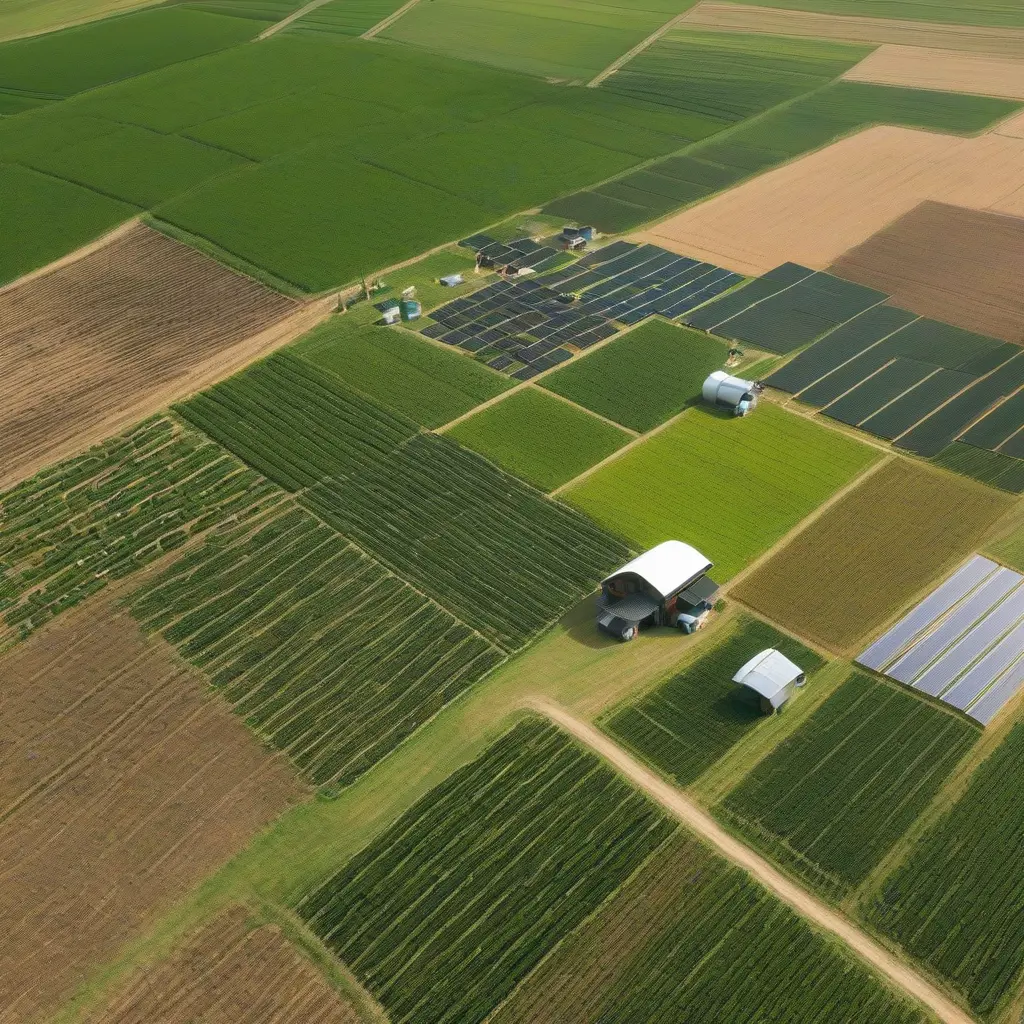
The integration of Internet of Things (IoT) devices in smart agriculture has revolutionized farming practices, enhancing efficiency and productivity. These advancements enable farmers to collect real-time data, improve resource management, and promote sustainable practices. As rural areas increasingly adopt technology, IoT has become a crucial element in bridging the gap between traditional farming and modern agronomy. From automated irrigation systems to precision agriculture, understand how IoT devices are reshaping the agricultural landscape and providing innovative solutions to age-old challenges.
What Are IoT Devices in Agriculture?
IoT devices in agriculture refer to interconnected sensors, software, and other technologies that enable farmers to monitor and manage their farms remotely. These devices collect data on a variety of parameters such as soil moisture, temperature, humidity, and crop health. By using this data, farmers can make informed decisions that enhance crop yields and optimize resource use. Examples include smart irrigation systems that adjust water delivery based on real-time soil conditions, significantly reducing waste and increasing efficiency.
Benefits of IoT Integration in Smart Agriculture
Integrating IoT devices into agriculture provides numerous benefits. First, it enhances efficiency through precise monitoring and management of farm inputs like water and fertilizers. This leads to cost savings and improved yield. Second, it facilitates data-driven decision-making, allowing farmers to respond swiftly to changing environmental conditions. Third, IoT devices can assist in pest management by providing alerts for infestations, enabling timely interventions to mitigate losses. Overall, these advantages contribute to more sustainable agricultural practices.
Challenges of Implementing IoT in Agriculture
While the benefits of IoT in agriculture are substantial, several challenges hinder its widespread deployment. Initial setup costs can be prohibitive for small farmers, limiting accessibility to advanced technologies. Moreover, the lack of stable internet connectivity in rural regions poses significant barriers to real-time data transmission. Additionally, farmers may struggle with the complexity of operating these systems without adequate training or support. Addressing these challenges is essential for maximizing the potential of IoT in agriculture.
Case Studies of Successful IoT Deployments
Several successful case studies illustrate the impact of IoT in agricultural practices. One example includes a vineyard that utilized smart sensors to monitor soil conditions and weather patterns, leading to better irrigation scheduling and optimized grape production. Another case highlights a farm that implemented IoT-enabled drones for crop surveillance, identifying problem areas before they escalated. These real-world applications demonstrate the practical benefits of IoT, showcasing improvements in yield, resource management, and overall productivity.
The Role of Big Data in IoT Agriculture
Big Data plays a critical role in enhancing the capabilities of IoT devices in agriculture. The vast amounts of data collected from sensors and devices can be analyzed to reveal patterns and trends, offering insights that inform farming decisions. Data analytics can help predict crop performance, optimize planting schedules, and enhance pest management approaches. By leveraging Big Data, farmers can gain a competitive edge, improving efficiency while making informed choices that promote sustainability and resource conservation.
Future Trends in IoT Agriculture
As technology continues to evolve, the future of IoT in agriculture looks promising. Trends such as the increased use of artificial intelligence (AI) for predictive analytics and autonomous farming equipment are likely to gain traction. Furthermore, advancements in connectivity, such as 5G networks, will enhance data transmission speeds and reliability. Additionally, as the demand for sustainable agricultural practices grows, IoT will play a crucial role in promoting eco-friendly methodologies that help meet global food demands while conserving resources.
Choosing the Right IoT Solutions for Your Farm
Selecting the appropriate IoT solutions for a farm can be a daunting task, given the variety of available technologies. Factors to consider include the specific farming needs, budget constraints, and existing infrastructure. Farmers should assess the potential return on investment and seek devices that offer scalability, allowing for future upgrades or expansions. Engaging with technology providers for demonstrations and trials can help farmers make informed choices that align with their operational goals and resource management needs.
Education and Training for IoT Adoption
For successful adoption of IoT devices in agriculture, education and training are crucial. Farmers and agricultural workers need to understand how to effectively use these technologies to reap their benefits. Training programs can provide insights into data interpretation, system maintenance, and troubleshooting. Collaborations with agricultural extension services, universities, and technology firms can facilitate the development of workshops and training sessions, ensuring farmers are equipped with the knowledge necessary to implement IoT solutions efficiently.
Impact on Crop Management
IoT devices significantly impact crop management by providing real-time monitoring and precise control over agricultural practices. These devices enable farmers to keep track of crop health, moisture levels, and environmental conditions, allowing for timely interventions. For example, sensors can alert farmers to nutrient deficiencies, prompting immediate action to enhance soil quality. This timely response can lead to better crop health and higher yields, ultimately contributing to more profitable farming operations and sustainable practices.
Enhancing Livestock Management Through IoT
IoT devices are also transforming livestock management by enabling better monitoring of animal health and behavior. Wearable sensors and tracking tools can provide valuable data, allowing farmers to detect early signs of illness or distress. Additionally, they help optimize feeding schedules and grazing patterns, leading to improved livestock welfare and productivity. By integrating IoT solutions, farmers can ensure their livestock are well-cared-for while enhancing operational efficiency and profitability.
Regulatory Considerations for IoT in Agriculture
As IoT technology continues to proliferate in agriculture, regulatory considerations are becoming increasingly important. Data security and privacy issues are at the forefront of these discussions, requiring farmers to be aware of guidelines concerning data usage and storage. Additionally, environmental regulations may influence the implementation of certain IoT solutions. Collaborating with industry groups and regulatory bodies can help farmers navigate these challenges while ensuring compliance with relevant laws and standards in their areas.
Conclusion
The integration of IoT devices in smart agriculture presents a transformative opportunity for the agricultural industry. By enhancing efficiency, promoting sustainability, and supporting data-driven decision-making, IoT is poised to revolutionize farming practices. While challenges remain, the ongoing development of technology and increased focus on education will enable more farmers to adopt these solutions. As the world continues to seek innovative ways to improve food production and environmental stewardship, the role of IoT in agriculture will only grow.