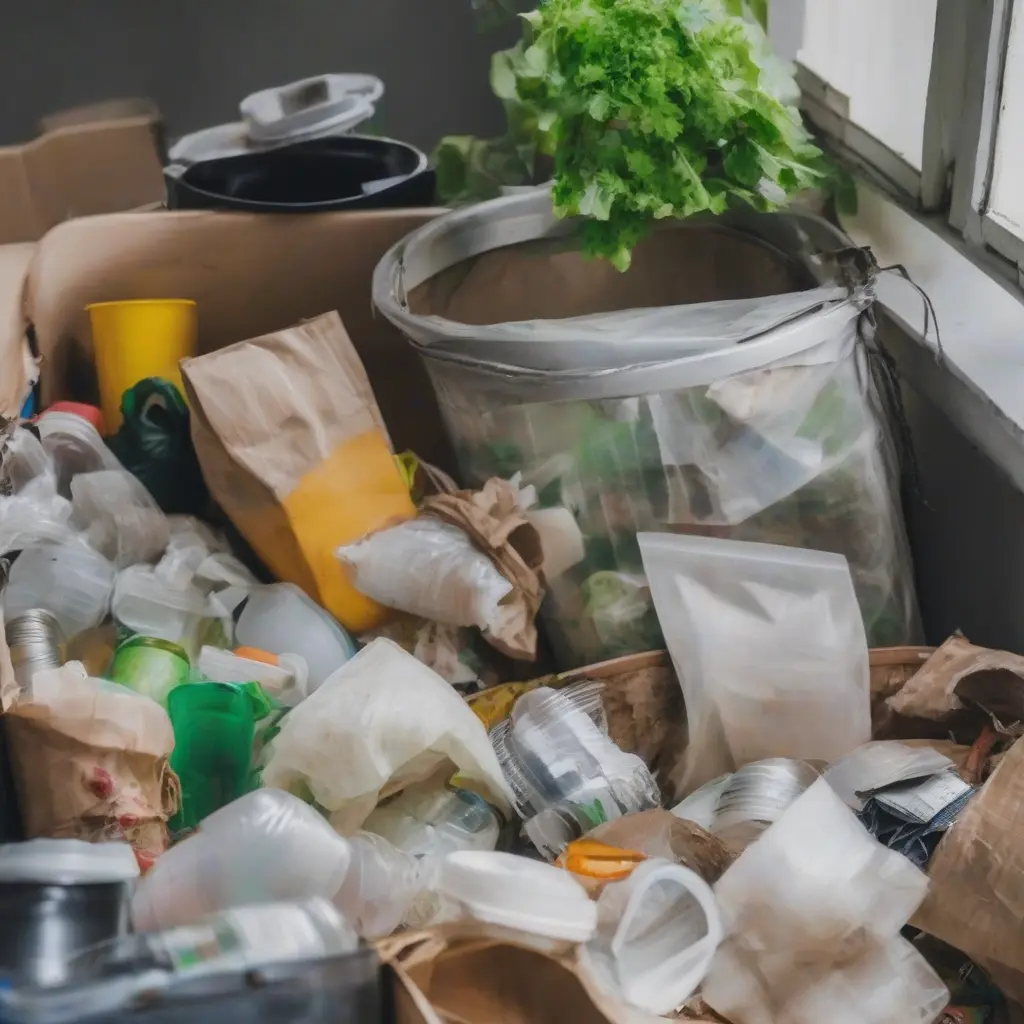
Zero-waste living is an increasingly vital lifestyle choice, particularly in a diverse country like India, where waste management remains a pressing issue. Adopting a zero-waste mindset not only helps reduce our environmental footprint but also fosters sustainable practices at home. By making informed choices and utilizing resources effectively, individuals and families can significantly minimize waste. This article will explore practical lifestyle tips tailored for everyday living in India, providing insights into reducing waste across various aspects of life.
Understanding Zero-Waste Living
Zero-waste living emphasizes a sustainable lifestyle aimed at eliminating waste in all forms. This concept advocates for rethinking how we consume and dispose of products, promoting practices like reducing, reusing, and recycling. The goal is to create a closed-loop system that allows materials to circulate in the economy rather than being discarded. To succeed in zero-waste living, it’s essential to be mindful of purchasing habits and to favor products that are eco-friendly, reusable, or biodegradable, especially in a country like India where plastic waste is prevalent.
Assessing Your Household Waste
To effectively minimize waste, start by assessing your current household waste generation. Track what items you throw away daily, categorizing them into recyclables, compostables, and non-recyclables. This evaluation highlights areas where you can make improvements, such as reducing single-use plastics or opting for bulk purchases of grocery items. Conducting a waste audit allows you to identify patterns and prioritize changes, ultimately making the transition to a zero-waste lifestyle easier and more effective in the long run.
Opting for Reusable Products
Switching to reusable items is a cornerstone of zero-waste living. For instance, replace disposable containers with glass or stainless-steel options, and invest in cloth bags over plastic ones for shopping. In the kitchen, utilize reusable produce bags and cloth napkins instead of paper ones. Additionally, consider using a menstrual cup or reusable pads, which drastically reduce waste associated with feminine hygiene products. By making these simple switches, households can significantly decrease their environmental impact while saving money in the process.
Composting Organic Waste
Composting is an effective way to manage organic waste, transforming kitchen scraps and garden waste into valuable soil nutrients. By setting up a compost bin or pile in your backyard or using indoor composting methods, you can reduce the amount of waste sent to landfills dramatically. Composting not only minimizes waste but also enriches the soil, making it perfect for gardening. In India, community composting initiatives are gaining momentum, making it easier for households to adopt this practice and contribute to a cleaner environment.
Supporting Local and Sustainable Brands
Supporting local and sustainable brands significantly reduces your carbon footprint associated with transportation and production. Seek locally-sourced, eco-friendly alternatives for food, clothing, and household items. This not only minimizes waste but also fosters a sense of community and strengthens local economies. Many Indian brands focus on creating sustainable products, such as bamboo toothbrushes or organic cotton bags, making it easier for consumers to make environmentally-friendly choices while contributing to sustainable development in their region.
Embracing Minimalism
Embracing a minimalist lifestyle can complement your zero-waste efforts. By assessing your belongings and decluttering, you can focus on what truly matters, reducing impulse purchases and waste generation. Simplifying your living space encourages mindfulness in consumption; only keep items that serve a purpose or bring joy. This approach not only reduces waste but also promotes mental well-being, leading to a more organized and peaceful home. In India, where consumerism can be overwhelming, minimalism spurs a more deliberate and sustainable lifestyle.
Educating Family and Friends
To effectively practice zero-waste living, it’s crucial to educate family and friends about the importance of minimizing waste. Share your experiences and tips on sustainable practices, fostering a communal effort toward a cleaner environment. Organize workshops or informal sessions focusing on topics like composting, upcycling, and sustainable buying. When your immediate social circle understands the value of zero-waste practices, it encourages collective change and fosters a sense of responsibility toward environmental issues, creating a larger impact within the community.
Innovative Upcycling Ideas
Upcycling is a creative way to repurpose items that would otherwise be discarded, transforming them into useful products. For instance, glass jars can be turned into storage containers, while old clothes can become tote bags or cleaning rags. In India, traditional arts and crafts can also inspire upcycling, allowing you to incorporate cultural elements into your creations. By embracing upcycling in your household, you not only minimize waste but also contribute to a unique and personalized living space filled with character and creativity.
Planning Efficiently for Groceries
Planning grocery shopping efficiently can greatly minimize waste. Begin by creating a weekly meal plan based on what you already have at home, thus avoiding unnecessary purchases. Make a shopping list sorted by sections of the store to reduce impulse buying and ensure that you purchase only what you need. Choose loose produce over pre-packaged items, and opt for bulk goods where possible. This mindful approach not only reduces waste but often leads to healthier eating habits and better financial management over time.
Conclusion
Minimizing waste at home is a significant step toward fostering sustainable living practices. Through the adoption of zero-waste principles, individuals and families in India can contribute positively to the environment. By embracing reusable products, composting, supporting local brands, and promoting education among peers, communities can create lasting change. The journey toward zero waste is ongoing and requires commitment, but the positive effects on both personal and environmental health make it a worthwhile endeavor.