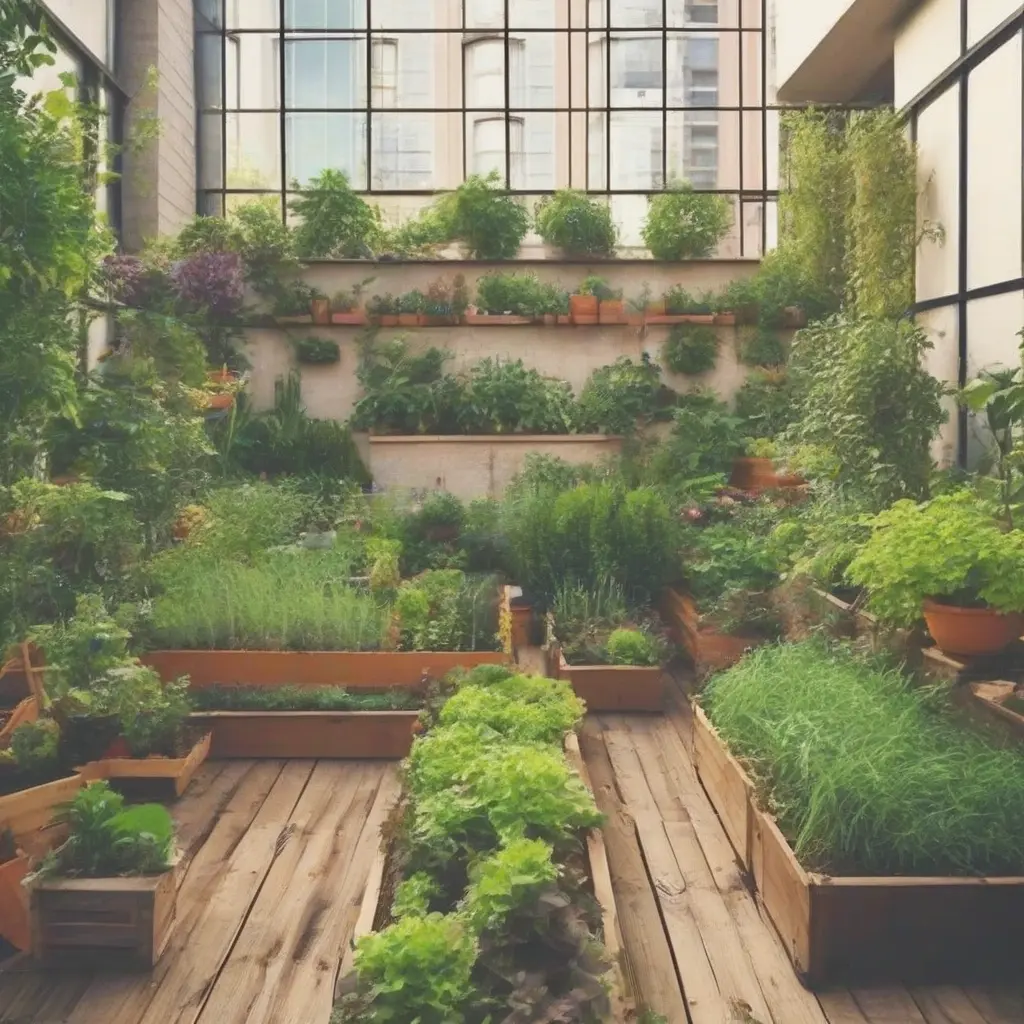
Creating a sustainable urban garden in India is not just an eco-friendly choice but also a rewarding lifestyle transformation for city dwellers. With limited space and resources, it’s essential to adopt smart gardening practices that maximize yields while minimizing environmental impact. This guide offers practical tips tailored for urban settings, helping you cultivate a green oasis amidst bustling neighborhoods. From selecting the right plants to utilizing vertical gardening techniques, these strategies will empower you to embrace a sustainable lifestyle while enjoying the benefits of homegrown produce.
Understanding Urban Gardening Basics
Urban gardening involves cultivation in limited spaces, leveraging whatever area is available, be it balconies, rooftops, or small backyards. Understanding the unique challenges of urban settings, such as poor soil quality or limited sunlight, helps in selecting suitable plants and gardening techniques. Incorporating raised beds or container gardening can alleviate soil issues while making the gardening process more manageable. Familiarity with specific gardening methods allows urban dwellers to maximize resources and ensure a thriving garden that serves both aesthetic and practical purposes.
Choosing the Right Plants for Urban Gardens
Selecting the right plants is crucial for the success of urban gardens. Opt for local, native species as they typically require less maintenance and are more resilient to local climate conditions. Additionally, incorporating herbs, vegetables, and flowers that thrive in your region promotes biodiversity and attracts beneficial insects. Consider plants like mint, basil, tomatoes, or marigolds, which are not only easy to grow but also useful in the kitchen. Assessing sunlight availability and space constraints ensures that chosen plants will flourish within the urban environment.
Using Vertical Gardening Techniques
Vertical gardening is a practical solution for urban spaces with limited ground area. This technique enables gardeners to grow plants upwards rather than outwards, effectively utilizing walls, trellises, and hanging planters. By incorporating shelves or stackable planter boxes, you can create a lush green display while saving space. Vertical gardens also improve air quality and provide insulation, making them a functional addition to any urban environment. Additionally, this method can make it easier to manage plant care, such as watering and harvesting.
Composting for Sustainable Gardening
Composting is an essential practice that supports sustainable urban gardening by recycling organic waste into nutrient-rich soil. Setting up a compost bin can be as simple as using kitchen scraps like vegetable peels, eggshells, and coffee grounds. Composting not only reduces landfill waste but also enriches soil health, leading to more productive plants. In urban settings, vermicomposting with red wigglers can also be an effective strategy, utilizing minimal space and providing rich nutrients for your garden.
Watering Techniques for Urban Gardens
Effective watering techniques are vital for maintaining a productive urban garden. Implementing drip irrigation systems can ensure consistent moisture levels while conserving water, a crucial factor in urban gardening. When hand-watering, focus on the base of the plants to avoid water wastage and fungal diseases. Adopting rainwater harvesting methods can also contribute to sustainability, allowing you to collect and store rainwater for garden use. Understanding your plants’ specific watering needs results in healthier, more robust growth.
Incorporating Sustainable Practices
Incorporating sustainable practices into your urban gardening routine fosters an eco-friendly environment. Utilize organic fertilizers and pest control methods, such as neem oil or insecticidal soap, to maintain plant health without harming beneficial insects. Practice crop rotation and polyculture planting to enhance biodiversity and soil fertility. Additionally, choosing to forgo synthetic chemicals preserves local ecosystems, helping to keep your urban garden both productive and sustainable. By implementing these practices, you contribute to environmental conservation efforts in your community.
Creating a Community Garden
Community gardens serve as collaborative spaces that promote local food production and sustainability in urban settings. These gardens encourage neighbors to come together, share resources, and learn gardening techniques. Participating in a community garden can foster a sense of belonging and teamwork, enhancing social connections among residents. Often, these gardens enable individuals to grow food collectively, access shared tools, and sometimes even transform vacant lots into productive green spaces. This initiative can serve as a powerful catalyst for encouraging sustainable urban lifestyles.
Challenges of Urban Gardening
Urban gardening is not without its challenges, including limited space, pollution, and variable light conditions. City dwellers often contend with poor soil quality and limited access to resources. However, these challenges can be mitigated through creative solutions such as using raised beds, finding ways to create microclimates, and prioritizing drought-resistant plants. Identifying specific local challenges and adapting gardening strategies can lead to a successful urban garden despite the limitations inherent in city living.
Engaging with Local Environmental Initiatives
Engaging with local environmental initiatives can provide urban gardeners with additional resources and support. Many cities offer workshops, courses, and community programs dedicated to sustainability and gardening. Connecting with local non-profit organizations or environmental groups may yield valuable networking opportunities, allowing gardeners to share knowledge and experience. Participating in these initiatives not only enhances personal gardening skills but also fosters a sense of community responsibility towards creating greener urban spaces.
Conclusion
Creating a sustainable urban garden requires thoughtful planning and a commitment to eco-friendly practices. By selecting appropriate plants, utilizing vertical gardening, and embracing community initiatives, urban dwellers in India can cultivate green spaces that enhance their lifestyle and contribute positively to the environment. The journey towards a greener city life not only improves personal well-being but fosters a culture of sustainability that benefits the broader community.