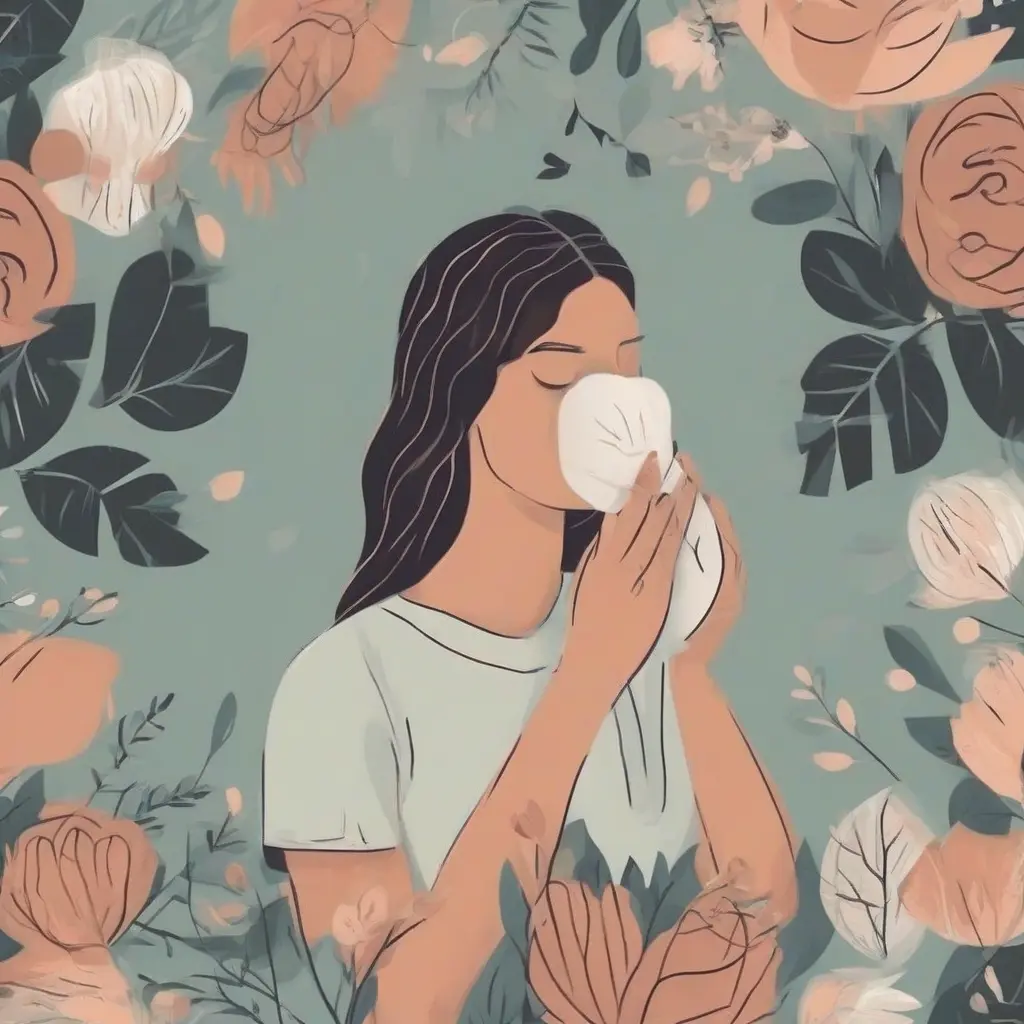
Anxiety is a common issue that affects millions globally, impacting daily routines and overall quality of life. Effective lifestyle changes can significantly alleviate anxiety symptoms. By adopting practical techniques for managing stress, individuals can cultivate a healthier mindset. This article explores various lifestyle tips designed to help cope with anxiety in everyday situations. From mindfulness practices to physical activity, these strategies enable individuals to create a balanced approach to mental wellness.
Understanding Anxiety and Its Impact
Anxiety manifests as excessive worry or fear, often leading to physical symptoms such as increased heart rate and tension. Understanding the nature of anxiety is crucial for effective coping strategies. Anxiety can interfere with daily activities like work, relationships, and self-care. By recognizing its symptoms and triggers, individuals are better equipped to employ techniques that can reduce their anxiety levels. This understanding lays a foundation for implementing lifestyle changes that promote mental health.
The Importance of Mindfulness Practices
Mindfulness practices, such as meditation and deep breathing, have proven effective in reducing anxiety. These techniques focus on embracing the present moment, helping to silence negative thoughts. Regular mindfulness practice encourages a greater awareness of one’s emotional and physical state. By dedicating even a few minutes daily to mindfulness, individuals can cultivate a sense of calm and improve emotional resilience. Over time, this can lead to significant decreases in anxiety levels.
Boosting Mental Health Through Physical Activity
Engaging in regular physical activity is one of the most effective lifestyle tips for coping with anxiety. Exercise releases endorphins that enhance mood and reduce stress. Activities like walking, yoga, or jogging can serve as powerful outlets for emotional tension. Setting achievable fitness goals not only promotes physical health but also fosters a sense of accomplishment and self-worth. Creating a consistent workout schedule can strengthen mental clarity and help manage anxiety in daily life.
Establishing a Healthy Sleep Routine
Quality sleep is essential for mental well-being, and establishing a routine can mitigate anxiety symptoms. Lack of sleep often exacerbates feelings of stress and unease. Creating a calming bedtime routine that includes activities like reading, gentle stretching, or limiting screen time can promote better sleep hygiene. Aim to go to bed and wake up at the same time every day to regulate the body’s internal clock. A well-rested mind is more equipped to handle daily challenges.
Nutrition’s Role in Anxiety Management
Nutrition plays a crucial role in mental health, as certain dietary choices can impact anxiety levels. Incorporating a balanced diet rich in whole foods, such as fruits, vegetables, whole grains, and lean proteins, can enhance mood stability. Specific nutrients like omega-3 fatty acids and antioxidants have been linked to lower anxiety risk. Staying hydrated and avoiding excessive caffeine and sugar can also stabilize energy levels and mood. Mindful eating encourages both physical wellness and emotional balance.
The Power of Social Connections
Building and maintaining social connections is vital for combating feelings of loneliness and anxiety. Positive relationships can provide emotional support and a sense of belonging. Engaging with friends or family through regular activities or simply sharing experiences can foster resilience during anxious moments. Consider joining community groups or clubs to widen your social circle, which can serve as a source of encouragement. Strong social ties can act as a buffer against anxiety.
Setting Realistic Goals
Setting realistic goals helps manage everyday stressors and anxiety. Breaking tasks into achievable steps can prevent feelings of overwhelm. Utilize planners or digital apps to prioritize daily responsibilities, making it easier to focus on one task at a time. Celebrate small victories to build confidence and determination. By keeping goals manageable, you reduce the risk of feeling stressed and anxious, leading to a more productive and satisfying life.
Utilizing Professional Help If Needed
Sometimes, professional guidance is essential for tackling anxiety effectively. Therapists or counselors can provide coping strategies tailored to individual needs. Cognitive-behavioral therapy (CBT) is particularly effective for anxiety management. If feelings of anxiety persist or worsen, seeking help from a mental health specialist should be considered. Professional support is an important aspect of a comprehensive approach to anxiety that includes lifestyle changes.
Practicing Time Management Techniques
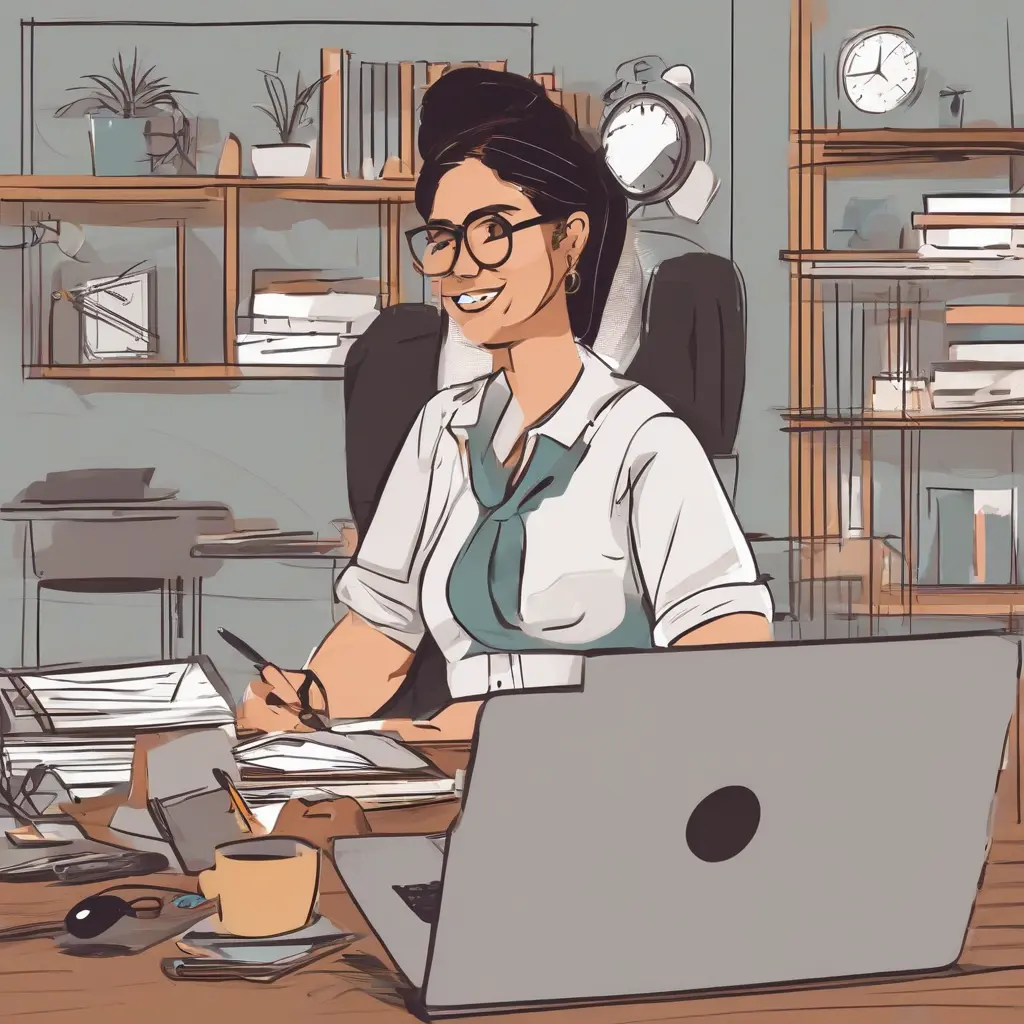
Effective time management can be a game-changer for reducing anxiety. Prioritizing tasks and creating a well-structured schedule can alleviate feelings of being overwhelmed by responsibilities. Techniques like the Pomodoro method, where work is divided into intervals with short breaks, can enhance focus while reducing stress. Evaluating time spent on various activities also helps identify areas that may need reevaluation, leading to a more balanced and fulfilling life.
Engaging in Creative Outlets
Creative outlets like painting, writing, or playing music can serve as excellent stress relievers. These activities encourage self-expression, providing a safe space to explore emotions. Engaging in creative tasks can also enhance mood and divert attention away from anxious thoughts. Dedicating time to hobbies or trying new creative pursuits fosters a sense of achievement and joy. Integrating creativity into daily routines can be a powerful tool for anxiety management.
Conclusion
Adopting lifestyle tips for coping with anxiety can significantly enhance mental well-being. Integrating mindfulness, physical activity, and a strong support network into daily life fosters resilience against anxiety. Each small change contributes to a comprehensive approach that empowers individuals to take control of their mental health. By consistently applying these strategies, individuals can navigate daily challenges with confidence and ease.