The renewable energy landscape is undergoing rapid transformation in 2023, driven by innovative technologies and increased investments. As the demand for sustainable energy sources grows, breakthroughs in solar, wind, biomass, and energy storage technologies are paving the way for a greener future. This article explores these advancements, offering insights into their applications, benefits, and the potential challenges that lie ahead. Understanding these developments is crucial for policymakers, businesses, and consumers committed to embracing more sustainable energy solutions.
Advancements in Solar Energy Technology
In 2023, solar energy technologies have seen significant advancements, primarily in the efficiency of photovoltaic cells. New materials, such as perovskite solar cells, have emerged, allowing for higher energy conversion rates and lower production costs. Additionally, bifacial solar panels are gaining traction, capturing sunlight from both sides, which increases their overall output. These innovations are making solar energy more accessible and economically viable, helping to reduce reliance on fossil fuels and contributing to a cleaner energy mix globally.
Innovations in Wind Energy Systems
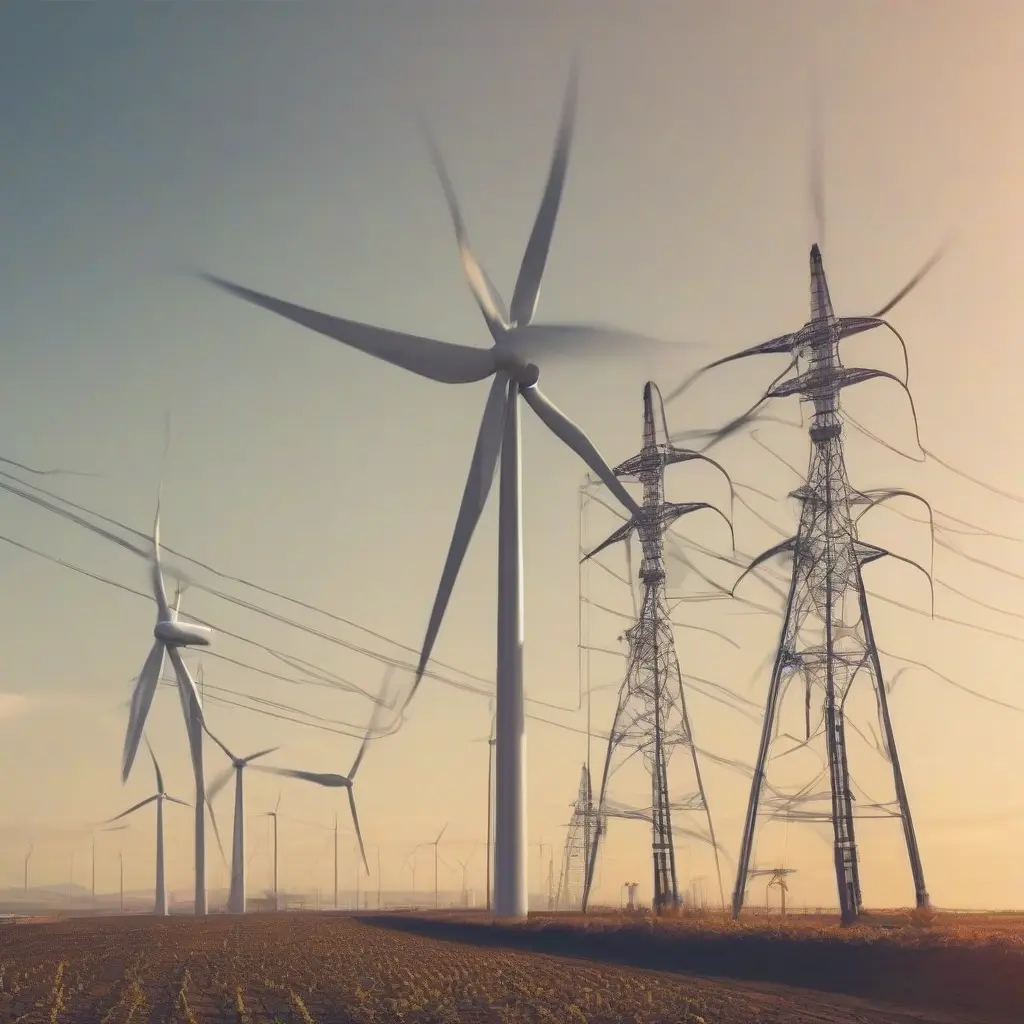
The wind energy sector is also experiencing cutting-edge developments, particularly with turbine design and offshore wind farms. In 2023, floating wind turbines are becoming more prominent, allowing for energy generation in deeper waters where wind speeds are higher and more consistent. These innovations promise to harness wind energy more efficiently, reducing costs over time. Moreover, advancements in predictive maintenance technologies are enhancing the operational efficiency of existing wind farms, ensuring consistent energy output and reducing downtime.
Breakthroughs in Energy Storage Solutions
Energy storage technology is crucial for balancing supply and demand in renewable energy systems. In 2023, developments in battery technologies, particularly lithium-silicon and solid-state batteries, are increasing energy density and longevity. These advancements aim to provide more efficient energy storage solutions, alleviating concerns associated with intermittent renewable energy sources. Furthermore, researchers are exploring innovative methods such as flow batteries and hydrogen storage, promising to enhance grid stability and support a higher share of renewables in the energy mix.
Emerging Biomass Technologies
Biomass energy is taking shape with novel conversion technologies that improve efficiency and sustainability. In 2023, advancements in pyrolysis and gasification are transforming organic waste into usable energy forms, such as biofuels and biogas. These methods not only address waste management issues but also contribute to the circular economy by repurposing materials that would otherwise contribute to landfill mass. Enhanced biomass processing techniques are also reducing greenhouse gas emissions, making biomass a more attractive renewable energy source.
Hydrogen Production Innovations
Hydrogen is emerging as a key player in the renewable energy landscape in 2023, largely due to advancements in electrolysis technology. Alkaline and proton exchange membrane electrolyzers are becoming more efficient, allowing for scalable green hydrogen production using renewable electricity. This hydrogen can serve various applications, from powering fuel cells in transportation to providing energy and heating solutions for industrial processes. As regulatory frameworks and investments in hydrogen infrastructure grow, its role in decarbonizing various sectors is becoming increasingly prominent.
The Role of Artificial Intelligence in Renewable Energy
Artificial Intelligence (AI) is revolutionizing the renewable energy sector in 2023 by optimizing energy management systems and predictive analytics. AI algorithms can analyze vast amounts of data from renewable sources, enabling better forecasting of energy production and consumption patterns. This capability enhances grid reliability and supports more efficient integration of renewables into energy systems. Additionally, AI-driven maintenance solutions can reduce operational costs for wind and solar farms by predicting equipment failures before they occur, thus maximizing efficiency.
Smart Grid Technologies
Smart grid technologies are advancing rapidly, enabling more flexible and resilient energy distribution systems. In 2023, innovations such as advanced metering infrastructure and real-time monitoring solutions are enhancing grid management. These technologies allow for better integration of distributed energy resources, including solar and wind, while ensuring that supply meets demand. Moreover, smart grids facilitate consumer participation in energy markets, empowering users to make informed decisions about their energy consumption and fostering a culture of energy efficiency.
The Impact of Policy Changes on Renewable Energy
In 2023, supportive policies and regulatory frameworks are critical in driving renewable energy advancements. Governments worldwide are increasing financial support for research and development initiatives while instituting stringent emission reduction targets. These policies incentivize innovation in renewable technologies and create a favorable investment climate for businesses. Furthermore, international cooperation and agreements focused on climate change are facilitating knowledge-sharing and collaborative projects, accelerating the global transition to renewable energy solutions.
Challenges Facing Renewable Energy Adoption
Despite the advancements, the renewable energy sector faces several challenges that could impede progress. Market fluctuations, technological risks, and integrating renewables into existing infrastructure remain significant obstacles. Additionally, securing funding for large-scale projects and addressing public misconceptions about renewable technologies are ongoing issues that need to be managed. Stakeholders must work collaboratively to overcome these challenges, ensuring that renewable energy technologies can achieve their full potential in combating climate change.
Conclusion
The advancements in renewable energy technologies in 2023 present both opportunities and challenges for a sustainable future. From innovations in solar and wind energy to breakthroughs in energy storage and smart grid technologies, the sector is poised for significant growth. However, a collective effort among governments, researchers, and industry stakeholders is essential to address barriers to adoption and ensure that these technologies are utilized effectively. As the world moves toward a more sustainable energy landscape, these advancements demonstrate the promise of a cleaner, greener planet.