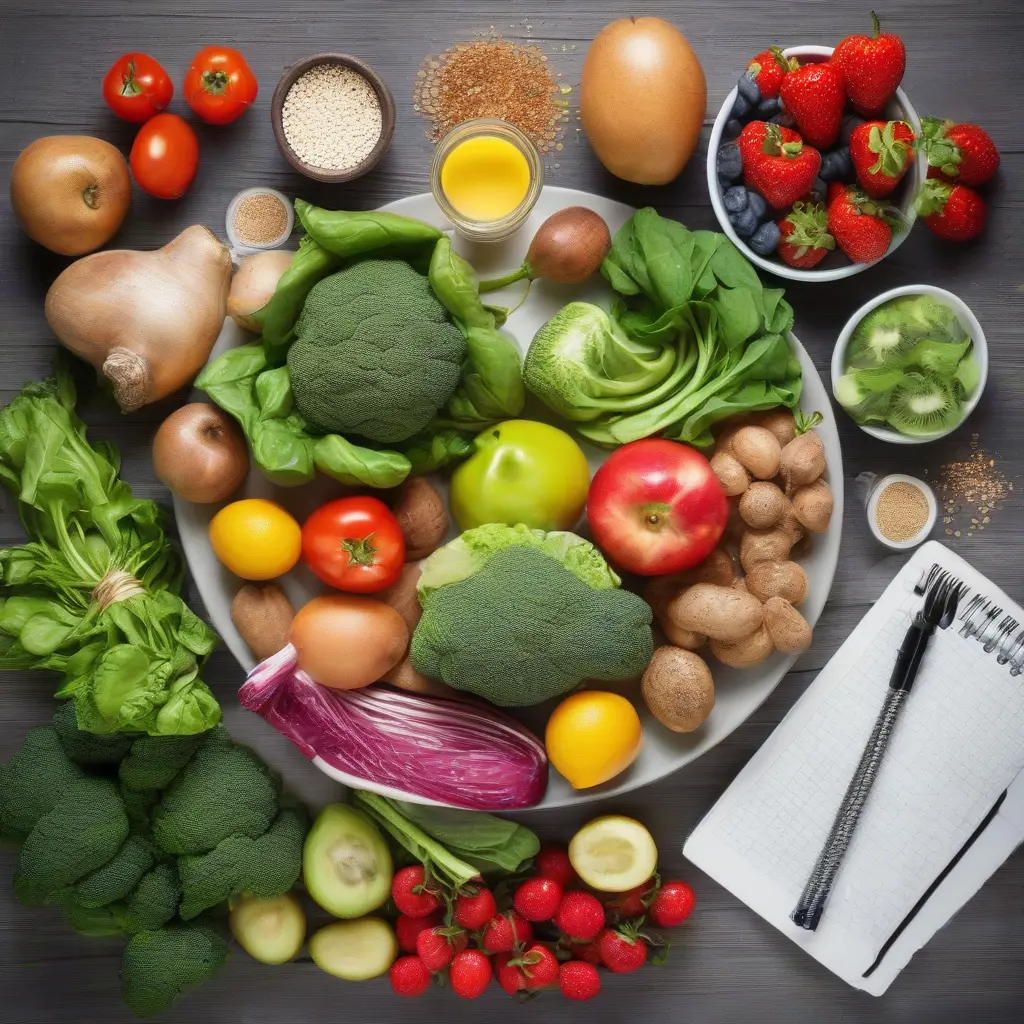
Eating healthy on a budget is entirely feasible with the right strategies and planning. Many individuals are often deterred by the perceived high costs associated with nutritious food, but this isn’t always the case. By adopting practical lifestyle tips, anyone can enjoy a well-balanced diet without breaking the bank. This guide explores insightful methods to help budget-conscious individuals enjoy affordable healthy eating while ensuring they are meeting their nutritional needs effectively.
Plan Your Meals Ahead of Time
Meal planning is a key strategy in maintaining both health and budget. By dedicating time each week to outline what you’ll consume, you can prevent impulsive purchasing of expensive, unhealthy options. Start by assessing your fridge and pantry to use existing ingredients, then create a shopping list based on seasonal produce and sales. This prevents overspending and encourages diverse meals, helping you stick to a nutritious eating plan while saving money.
Utilize Coupons and Discounts
Taking advantage of coupons and discounts can significantly reduce grocery expenses. Many stores offer weekly promotions, loyalty programs, or digital coupons which can be utilized for healthy food options. Websites and apps also provide digital coupons and cashback options for purchasing specific items. Consistently checking for deals can lead to substantial savings, allowing you to spend less while still prioritizing nutritious ingredients in your meals.
Buy in Bulk for Value
Purchasing items in bulk can be a wise financial move, especially for non-perishable staples. Foods like whole grains, legumes, and nuts can often be bought at a lower price per unit. This strategy helps reduce costs and minimizes trips to the grocery store, saving you both time and money. Ensure that you have proper storage to maintain freshness and quality, making the most of your bulk purchases without waste.
Incorporate More Plant-Based Meals
Transitioning to more plant-based meals not only supports health but can be easier on the wallet. Ingredients like beans, lentils, and seasonal vegetables are often more affordable than animal proteins. Incorporating these into your daily diet can lead to significant savings. Additionally, they are versatile and can be utilized in various recipes, making healthy eating both filling and budget-friendly, while also promoting environmental sustainability.
Grow Your Own Herbs and Vegetables
Growing your own herbs and vegetables, even in small spaces, can contribute to substantial savings and fresher meals. Simple herbs like basil and parsley can thrive in pots, while vegetables such as tomatoes and peppers can be cultivated in gardens or containers. This practice not only cuts costs but also encourages a deeper appreciation for food quality. Moreover, fresh produce is often more flavorful and nutritious, aligning perfectly with healthy eating goals.
Opt for Seasonal and Local Produce
Choosing seasonal and locally sourced produce is a smart decision for budget-conscious healthy eating. Seasonal fruits and vegetables are typically more affordable, fresher, and richer in nutrients. Farmers’ markets often offer reasonably priced local produce, allowing you to support community agriculture while eating well. Making local and seasonal choices positively impacts both your wallet and your health, as well as promoting environmental sustainability.
Cook at Home More Frequently
Home cooking is a powerful tool for controlling both nutrition and expense. Eating out often results in higher food costs and less control over ingredient quality. By preparing meals at home, you can utilize fresh and healthy ingredients while experimenting with various recipes. This approach not only saves money but allows for healthier dietary choices, as you can make conscious decisions about portion sizes and cooking methods.
Use Simple Cooking Techniques
Learning a few simple cooking techniques can enhance your meal preparation skills without complex recipes or expensive equipment. Techniques like roasting, steaming, and sautéing can maximize flavors and textures of budget-friendly foods. Additionally, utilizing one-pot meals or batch cooking can save time and resources. With simple preparations, you can enjoy varied and nutritious meals that consistently fit into your lifestyle and financial constraints.
Invest in Essential Kitchen Tools
A well-equipped kitchen doesn’t require expensive gadgets but rather a few essential tools can make healthy cooking a breeze. Staples such as a good chef’s knife, cutting board, and pots or pans can enhance your cooking experience. Investing in quality equipment can lead to more efficient meal preparations, helping you stick to a healthy eating plan without additional costs. Simple tools can encourage your cooking creativity and facilitate your path to nutritious living.
Share Meals with Friends and Family
Sharing meals with friends and family can help spread costs and reduce food waste. Hosting potlucks or meal-sharing encourages everyone to contribute, allowing for a diverse selection of healthy foods without overspending. This social aspect enhances your dining experience and can lead to enjoyable gatherings while eating well. Moreover, collaborating in cooking and sharing costs promotes a healthy lifestyle collectively, creating camaraderie in your healthy eating journey.
Keep Healthy Snacks on Hand
Having healthy snacks readily available can thwart unhealthy cravings and impulse purchases. Stocking up on items like fruits, nuts, and yogurt can provide satisfying options that nurture your wellbeing. Preparing your own snacks, such as vegetable sticks or homemade granola bars, can be both cost-effective and nutritious. Keeping nutritious choices on hand supports your healthy eating habits and helps you avoid high-calorie, expensive convenience foods.
Track Your Spending on Food
Monitoring your food expenses can help identify areas where you can save. Keeping a record of your grocery spending enables you to make informed decisions about your shopping habits. Analyze what you purchase regularly and substitute for more budget-friendly alternatives if necessary. By tracking expenditures, you can align your budget with your healthy eating goals, leading to a more structured and sustainable approach to your diet.
Stay Prepared for Busy Days
Life can be hectic, making it essential to stay prepared with healthy food options. Preparing on weekends by cooking batches of meals can ease your weekly schedule and help you resist the temptation of fast food during busy periods. Having healthy portions stored in containers or on-the-go snack options can sustain your energy levels and prevent reliance on unhealthy food choices. Preparation is key to maintaining your healthy eating habits amidst a busy lifestyle.
Conclusion
Affordable healthy eating is attainable with mindful planning and strategic choices. By implementing these tips, budget-conscious individuals can enjoy a variety of nutritious meals without compromising flavor or health. Emphasizing planning, cooking from scratch, and making the most of seasonal produce creates a sustainable lifestyle that not only saves money but promotes overall well-being. With the right mindset and resources, anyone can achieve a healthier lifestyle within their budget.