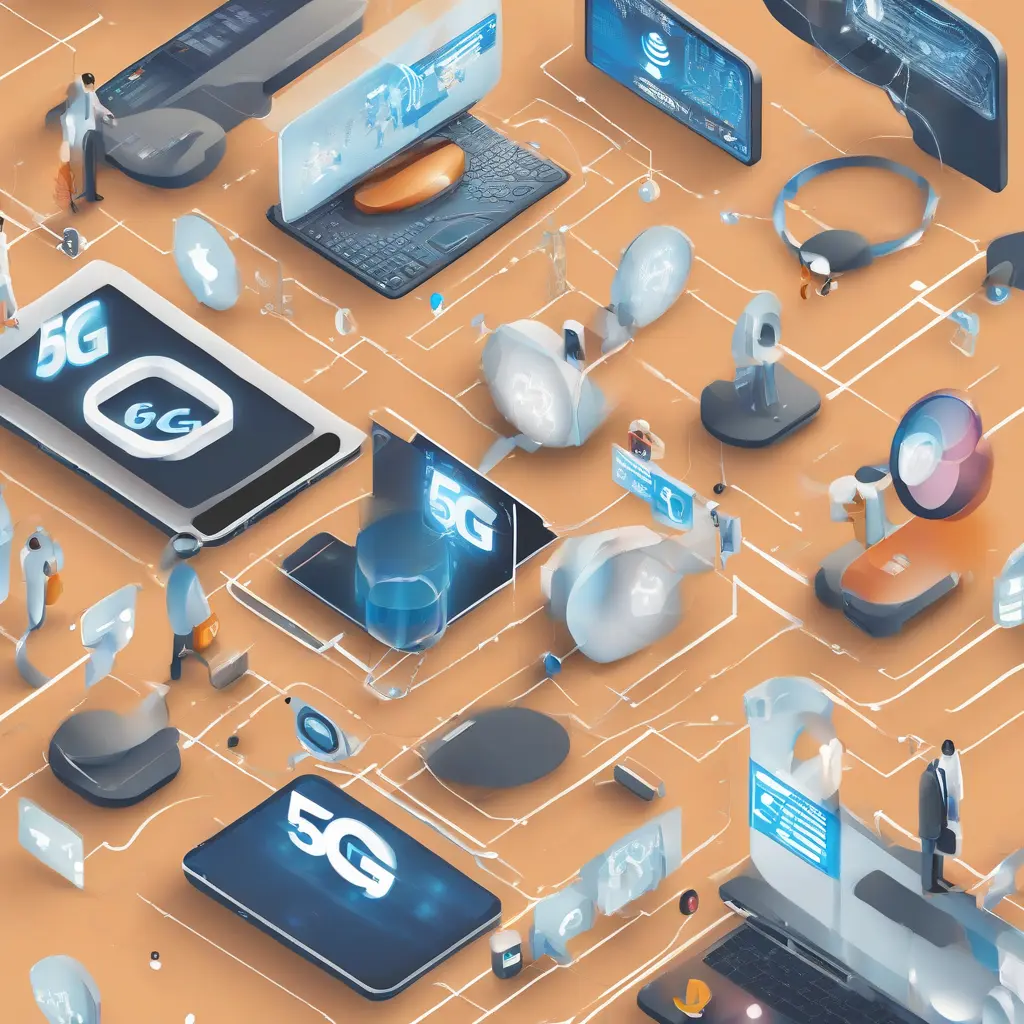
The emergence of 5G technology is fundamentally transforming communication as we know it. With its superior speed, reduced latency, and increased capacity, 5G is enabling new possibilities in various sectors, including healthcare, transportation, and entertainment. This article explores the latest updates and insights on how 5G is revolutionizing communication and the potential impacts on society.
Understanding 5G Technology
5G technology represents the fifth generation of wireless communication, succeeding previous generations such as 4G. It showcases significant advancements, offering peak data rates up to 10 Gbps and extremely low latency of about one millisecond. This technology uses a combination of high-frequency bands, including millimeter waves, to support more devices simultaneously, leading to improved connectivity and efficiency. Understanding these fundamentals is crucial to grasping its impact on modern communication.
Impact on Communication Speed
One of the most significant advantages of 5G technology is its unparalleled communication speed. Compared to 4G networks, 5G can download data up to 100 times faster, allowing users to stream high-definition content seamlessly and download large files within seconds. This enhancement not only improves user experience but also facilitates real-time communication in applications such as video conferencing, online gaming, and augmented reality, which rely heavily on instantaneous data transmission.
Reduction in Latency
5G technology dramatically reduces latency, achieving response times as low as one millisecond. This improvement is crucial for applications requiring immediate feedback, such as autonomous vehicles and remote surgeries. The low latency allows for smoother interactions in various fields, enabling mission-critical services to function with high reliability. This enhancement could redefine user experiences across industries, paving the way for innovations that were previously deemed impossible.
Increased Network Capacity
Another key feature of 5G technology is its ability to support a vast number of connected devices simultaneously. Unlike 4G, which faces challenges when numerous devices attempt to connect, 5G can handle one million devices per square kilometer. This scalability makes it ideal for urban areas with high populations and for the expanding Internet of Things (IoT) landscape. As more smart devices come online, 5G ensures that connectivity remains stable and efficient.
Transforming Healthcare Communication
5G’s impact on healthcare communication is significant, enabling advancements in telemedicine, remote monitoring, and robotic surgeries. With the ability to transmit data quickly and reliably, healthcare providers can remotely diagnose patients, monitor vital signs in real time, and perform complex procedures using robotics. This enhanced connectivity supports efficient healthcare delivery, particularly for patients in remote areas, making quality care more accessible.
Revolutionizing Transportation Systems
The transportation sector stands to benefit greatly from 5G technology, particularly in the development of smart cities and autonomous vehicles. Enhanced communication between vehicles and infrastructure can lead to improved traffic management, reduced congestion, and increased safety. 5G enables real-time data exchange that supports vehicle-to-vehicle communication, which is essential for the safe operation of self-driving cars, ultimately reshaping urban transport landscapes.
Shaping the Entertainment Industry
The entertainment industry is also undergoing a transformation due to 5G technology, particularly in the realms of streaming and gaming. With the ability to deliver high-quality video and interactive experiences with minimal delays, 5G enhances user engagement. Live events, such as concerts or sports, can be streamed in high definition without buffering, bringing audiences closer to their favorite entertainment and creating new opportunities for content creators.
Challenges Ahead for 5G Implementation
Despite its many advantages, the implementation of 5G technology is not without challenges. Issues such as the high costs associated with infrastructure development, regulatory hurdles, and the need for widespread device compatibility can hinder rollout efforts. Additionally, there are concerns regarding security and privacy as more devices connect to the network. Addressing these challenges is crucial for maximizing the benefits of 5G technology in communication.
Future Prospects of 5G Technology
Looking ahead, the future of 5G technology appears promising as it continues to evolve. The integration of 5G with emerging technologies like Artificial Intelligence (AI) and machine learning will likely lead to unprecedented advancements in communication and data management. Ongoing research and investment in 5G infrastructure will be vital to fully realize its potential, opening new avenues for innovation across industries and enhancing the quality of life for consumers.
Conclusion
In summary, 5G technology is playing a transformative role in communication, offering unprecedented speed, reduced latency, and increased capacity. As it reshapes various industries, from healthcare to entertainment, the possibilities seem boundless. However, navigating the challenges of implementation will be essential to fully harnessing the benefits of this revolutionary technology. The future of communication is undeniably linked to the advancements of 5G.