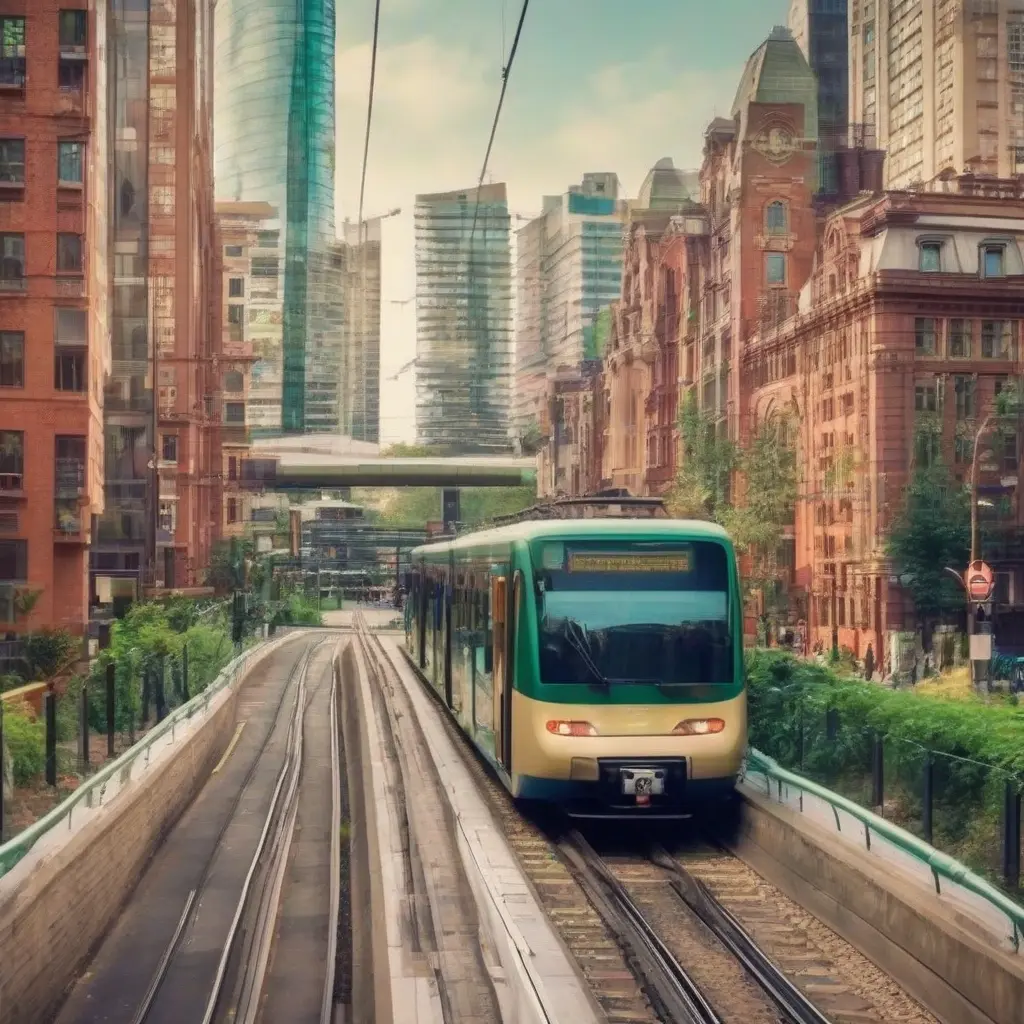
Sustainable commuting is becoming increasingly important as urban areas face challenges related to pollution, traffic congestion, and climate change. By adopting eco-friendly travel practices, individuals can contribute to a healthier environment while improving their own quality of life. This article explores several effective lifestyle changes that facilitate sustainable commuting in cities, including alternative transportation options, minimalism, and planning your journey smartly. Implementing these strategies not only helps reduce your carbon footprint but also enhances your daily commute experience.
Embrace Public Transportation
One of the most effective ways to promote sustainable commuting is by utilizing public transportation. Buses, trains, and subways can significantly reduce the number of individual cars on the road, subsequently cutting down greenhouse gas emissions. Furthermore, most urban public transportation systems are equipped to accommodate various schedules, making them a convenient choice for daily commutes. By relying on public transport, you also save money on gas and parking fees, making it an economical as well as an eco-friendly option.
Consider Biking for Short Distances
Biking is an excellent eco-friendly mode of transportation for short distances. Not only does it eliminate carbon emissions, but it also promotes physical health and mental well-being. Many cities have started developing bike lanes and rental services, making it easier than ever to incorporate cycling into your daily routine. Riding a bike allows for a more personal experience with your urban environment, and it often proves faster than cars in congested areas. With the added benefit of reducing traffic, biking is a viable option for sustainable commuting.
Walk Whenever Possible
Walking is the most sustainable form of commuting and offers numerous benefits for both the individual and the environment. It’s not only a zero-emission travel method, but it also encourages a more active lifestyle. Walking can easily be integrated into your daily routine, especially for those who live close to their workplace or frequently visit local businesses. Additionally, walking promotes community interaction and enhances your connection to the urban landscape. This simple change can have a tremendous impact on reducing your carbon footprint.
Carpooling and Ride-Sharing Options
Carpooling or utilizing ride-sharing services can significantly decrease the number of vehicles on the road, therefore reducing emissions. By sharing rides with others, you not only lessen your individual environmental impact, but you also save on fuel costs. Many cities now offer dedicated carpool lanes, making this form of commuting quicker and more efficient. With the rise of technology, apps that facilitate carpooling or scheduling shared rides have become increasingly user-friendly, making sustainable commuting a more accessible choice.
Adopt Flexible Work Hours
Flexible work hours can play a pivotal role in sustainable commuting. By adjusting your schedule, you can travel during off-peak hours, which reduces exposure to crowded public transport and lessens the number of vehicles on the roads. This flexibility not only minimizes stress but also enhances productivity. Employers are increasingly recognizing the benefits of flexible work environments, and promoting such policies can lead to a decrease in carbon emissions while simultaneously improving employees’ work-life balance.
Choose Electric Vehicles
As the automotive industry shifts towards sustainability, electric vehicles (EVs) are becoming a popular option for eco-conscious commuters. EVs produce zero tailpipe emissions, making them a cleaner alternative to traditional gas-powered vehicles. Additionally, many cities are investing in charging infrastructure, making it easier to recharge your vehicle. With fewer maintenance costs and potential government incentives, selecting an electric vehicle represents a long-term commitment to sustainable commuting practices.
Practice Minimalism in Commuting Gear
Adopting a minimalist lifestyle can significantly enhance your commuting experience. By simplifying what you carry, you can make your travels more efficient and less stressful. This includes using lightweight bags or backpacks and only carrying essentials. A streamlined approach not only reduces clutter but also encourages you to assess your needs, making your trips less burdensome. Embracing minimalism allows you to focus on the journey, ultimately leading to a more enjoyable commuting experience.
Incorporate Multi-Modal Transport
Multi-modal transport combines various modes of transportation to create a more efficient commuting experience. This could mean integrating biking, public transport, and walking into your daily travel. By leveraging different modes, you can adapt to the terrain and time constraints of your day. For instance, biking to a subway station can reduce the need for long car trips while minimizing the overall commute time. Embracing this approach allows for flexibility and innovation in how you travel within urban landscapes.
Plan Your Routes Smartly
Smart route planning is essential for sustainable commuting. Utilizing navigation apps can help identify the most efficient paths, avoiding congested areas and saving time. Additionally, planning your journeys to combine errands or visits can lead to fewer trips. Efficient routing not only conserves fuel but also cuts down on emissions. By taking the time to plan your travel, you can optimize both time and resources, making a significant contribution to your sustainability goals.
Support Local Businesses
Supporting local businesses can significantly influence sustainable commuting habits. When you shop locally, you often find that many destinations are within walking or biking distance. This further reduces your reliance on vehicles for short trips, allowing you to foster community connections. Local businesses typically require less transit distance compared to larger chains, which often rely on extensive logistics networks. By choosing to support local vendors, you contribute to a more sustainable economy while enjoying the benefits of reduced commuting.
Conclusion
Incorporating sustainable commuting practices is essential for fostering healthier urban environments. By embracing various eco-friendly transportation methods, planning effectively, and supporting local economies, individuals can make a significant impact on reducing their carbon footprint. As urban areas continue to grow, these lifestyle changes not only improve personal wellness but also contribute to the greater good. By prioritizing sustainable travel habits, we build a more sustainable future for ourselves and for generations to come.