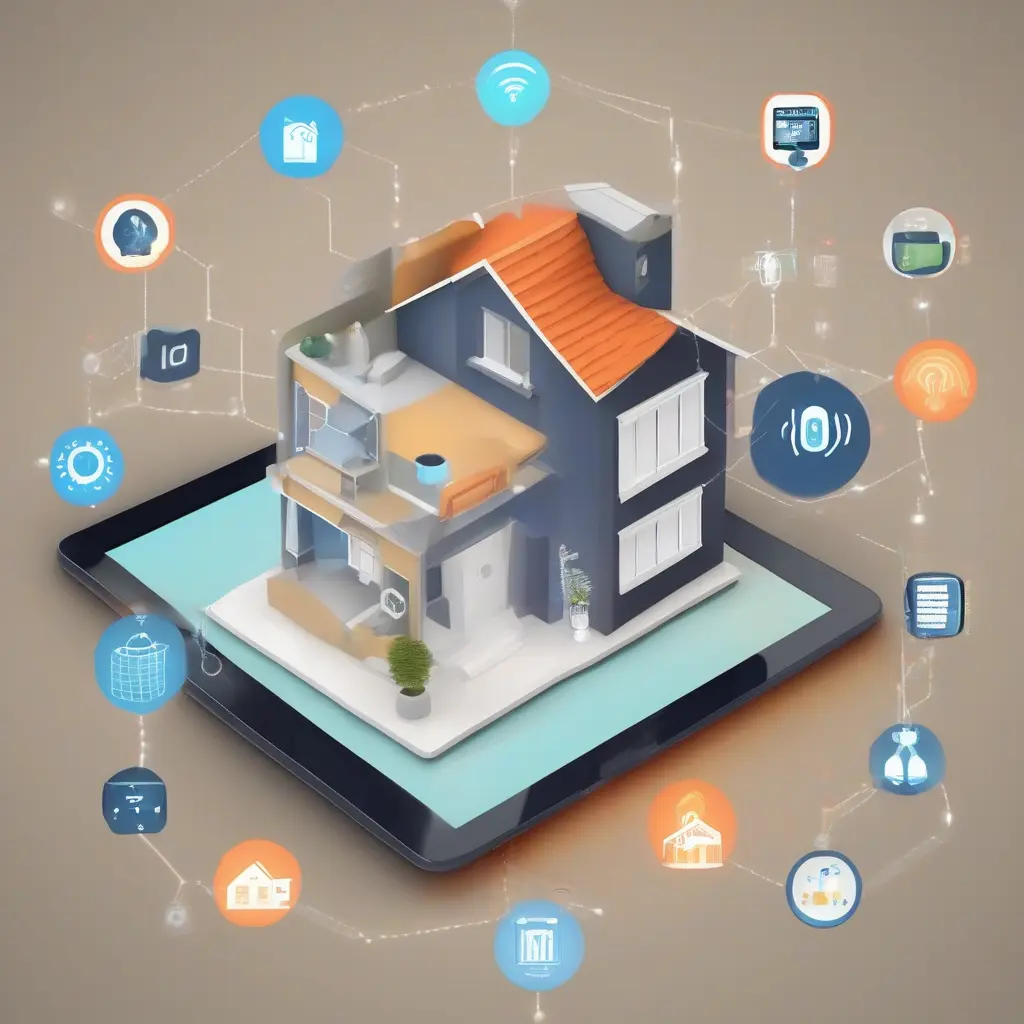
The Internet of Things (IoT) is rapidly transforming the landscape of Indian households, enabling seamless automation and connectivity. As urbanization accelerates and the demand for smarter living spaces grows, the integration of IoT technologies into homes offers innovative solutions for energy management, security, and convenience. This article will explore the current developments in IoT applications for smart homes in India, outlining trends, technologies, and future expectations that are shaping this lucrative sector.
The Rise of Smart Home Devices
The proliferation of smart home devices in India has gained remarkable momentum, driven by reduced costs and increased consumer demand. Devices like smart speakers, thermostats, and security cameras are becoming commonplace. Companies like Xiaomi and Philips are significantly contributing to this trend, providing affordable IoT products tailored for the Indian market. As these technologies become more accessible, homeowners are increasingly adopting them to enhance comfort and convenience while optimizing energy consumption.
Advancements in Home Automation
Home automation in Indian households is witnessing significant advancements through integrated IoT solutions. Smart home systems can now control lighting, HVAC, and even window blinds through a single application, offering greater convenience. Voice-activated devices such as Amazon Echo and Google Home facilitate user interactions, while mobile applications provide real-time monitoring and control options. This multifunctionality not only streamlines daily tasks but also allows users to tailor settings according to personal preferences.
Energy Efficiency and Management
One of the key drivers of IoT adoption in Indian homes is the focus on energy efficiency and sustainable living. Smart meters and IoT-enabled devices help homeowners monitor their energy consumption in real time, allowing them to make informed decisions about usage patterns. Integrating solar panels with smart home systems is also gaining traction, providing renewable energy solutions while reducing electricity bills. This dual approach not only conserves resources but also aligns with India’s commitment to sustainable development.
Enhanced Home Security Features
The safety and security of homes is a paramount concern for many families in India, and IoT applications are revolutionizing security systems. Smart locks, doorbell cameras, and motion sensors can now be controlled remotely, giving homeowners peace of mind. These systems can send alerts directly to smartphones, allowing for real-time surveillance and quick responses to potential threats. As technology evolves, the integration of artificial intelligence will enable predictive analytics for even greater security measures.
Health Monitoring Solutions
Health monitoring applications within IoT devices are emerging as vital components of smart homes, particularly in households with elderly residents. Wearable devices and home monitoring systems can track vital signs and send alerts to caregivers if abnormalities are detected. These IoT solutions help provide a level of independence for older adults while ensuring that their health is monitored closely, allowing family members to respond promptly to medical issues.
Seamless Integration with Smart City Initiatives
India’s smart city initiatives are greatly enhancing the scope of IoT applications in homes. Integration with urban infrastructure enables residents to experience smoother connectivity and efficient resource management. For instance, IoT systems can facilitate traffic management or waste disposal, directly benefiting households. This symbiotic relationship between smart homes and smart cities illustrates the broader implications of IoT technology, promoting more sustainable living environments.
Challenges in IoT Adoption
Despite the many advantages of IoT applications, challenges in adoption still exist in India. Concerns about data security and privacy are significant barriers that deter potential users from fully embracing smart technologies. Additionally, the complexity of existing systems and a lack of interoperability between different devices can lead to frustration. Overcoming these challenges will require robust regulations and consumer education focused on the benefits without compromising user safety.
Future Trends in IoT for Smart Homes
The future of IoT applications for smart homes in India is promising, with upcoming trends set to enhance user experience. Innovations such as AI-driven automation and machine learning will likely enable more personalized interactions with smart home systems. The introduction of 5G technology will facilitate faster and more reliable connections between devices, paving the way for more integrated solutions. As technology continues to evolve, consumers can expect even greater functionalities and ease of use in their everyday lives.
Conclusion
The developments in IoT applications for smart homes in India are setting the stage for a more connected and efficient future. As technology continues to advance, the adoption of smart home solutions is expected to grow, providing benefits related to convenience, security, and sustainability. By addressing the challenges faced in terms of data security and system integration, the potential of IoT in Indian households can be fully realized, paving the way for transformative living experiences.