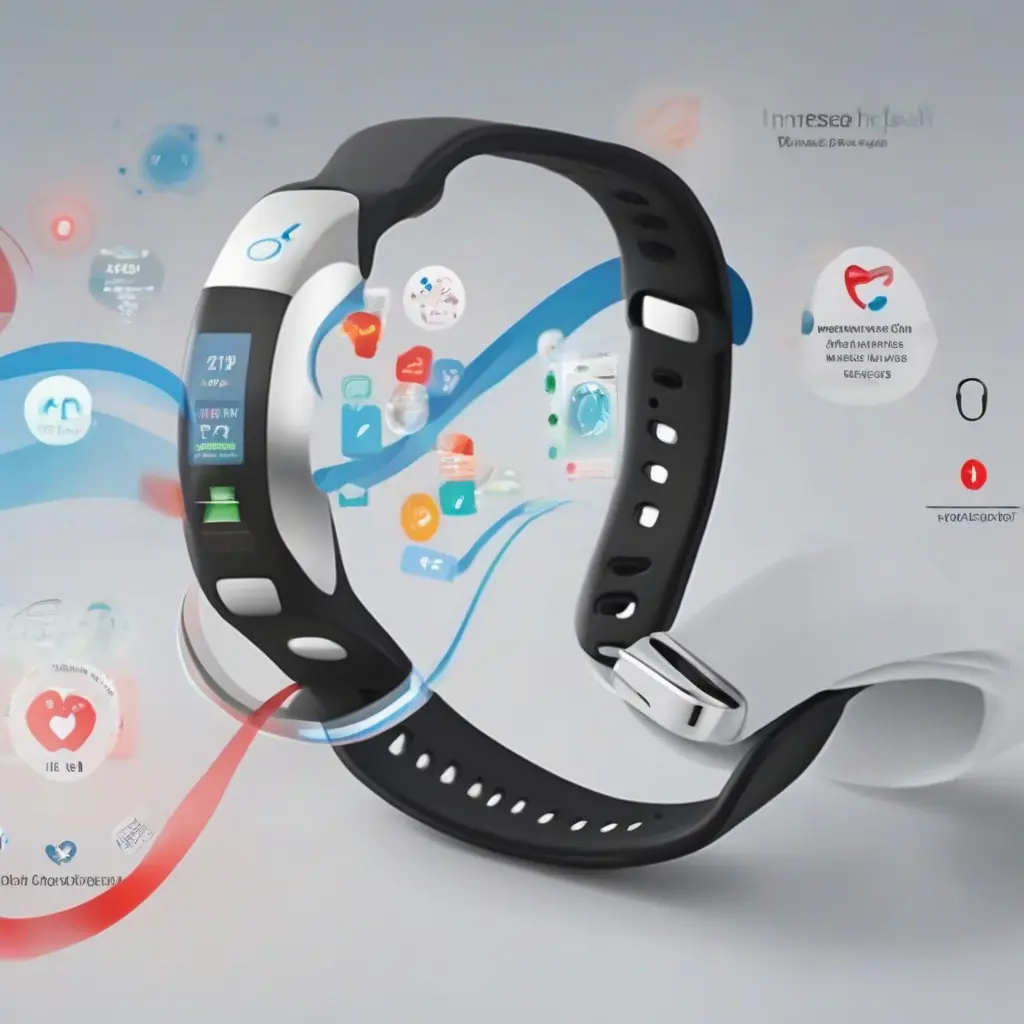
The health sector in India is experiencing a remarkable transformation, primarily driven by advancements in smart wearable technologies. These innovative devices are empowering individuals to monitor their health in real-time, providing significant data that aids both users and healthcare professionals. With a growing emphasis on personal wellness and preventive healthcare, the adoption of these technologies is rapidly increasing. This article delves into the latest innovations in the field, exploring their applications, benefits, and the overall impact on India’s health ecosystem.
Overview of Smart Wearable Technologies
Smart wearable technologies encompass a broad range of devices designed to track, analyze, and improve user health through continuous monitoring. These include smartwatches, fitness bands, and health trackers that can measure vital signs such as heart rate, blood pressure, and oxygen saturation. As these technologies evolve, they integrate advanced features like GPS tracking, sleep monitoring, and integrated health apps, providing users with comprehensive insights into their fitness and well-being. In India, these devices are increasingly becoming accessible to diverse populations, further enhancing their popularity.
Current Innovations in Smart Wearable Health Devices
Recent innovations in smart wearables have focused on enhancing user experience and functionality. Companies are now integrating artificial intelligence and machine learning to offer personalized health insights and predictive analytics. For instance, devices can analyze user data to anticipate potential health issues or suggest actionable steps for improvement. Additionally, many wearables now connect seamlessly with smartphones and health applications, creating an interconnected ecosystem that allows for easier management of health data. This innovation not only elevates user engagement but also promotes proactive health management.
Impact on Preventive Healthcare in India
The integration of smart wearables in healthcare practices in India is fostering a shift towards preventive care. Individuals are now more aware of their health metrics, enabling them to make informed lifestyle decisions. With real-time data, healthcare practitioners can identify health concerns at an early stage and intervene proactively. This is particularly crucial in a country like India, where access to healthcare services can be limited in rural regions. By minimizing the burden on traditional healthcare systems, smart wearables are ushering in a new era of wellness and preventive strategies.
Challenges in Adoption and Usage
Despite the benefits, the adoption of smart wearable technologies in India is not without challenges. Key obstacles include the high cost of advanced devices, lack of digital literacy among certain populations, and concerns regarding data privacy. Additionally, there is a need for standardization in the industry to ensure compatibility and reliability among different devices. Addressing these challenges is essential to facilitate widespread acceptance and use of these technologies, ensuring that they serve diverse communities effectively.
Role of Government Initiatives
The Indian government has recognized the potential of smart wearables in enhancing public health and has initiated various programs to promote their use. By partnering with technology providers and healthcare institutions, the government aims to encourage innovation while ensuring accessibility. Initiatives such as promoting digital health records and telemedicine have laid the groundwork for integrating wearables into everyday healthcare practices, paving the way for a healthier population. These efforts are crucial for building a robust health infrastructure that leverages technology for better health outcomes.
Future Prospects of Wearable Technologies
The future of smart wearable technologies in India’s health sector looks promising, with ongoing research and innovation likely to yield even more sophisticated devices. Emerging trends, such as the development of wearables that can monitor glucose levels non-invasively or analyze mental health status, are on the horizon. As technology continues to advance, the capacity of wearables to impact healthcare positively will expand, enabling new forms of medical diagnostics and personalized healthcare solutions. This evolution will not only transform individual health management but also strengthen the overall healthcare system.
User Adoption Trends
User adoption trends indicate a growing acceptance of smart wearable technologies across all demographic groups in India. Increased awareness about health and wellness, coupled with a younger population that is technology-savvy, has driven demand. Surveys have shown that more consumers are inclined to invest in devices that offer tangible health benefits. Moreover, the COVID-19 pandemic accelerated the inclination towards digital health solutions, leading to a surge in wearable technology sales. This trend is expected to continue as more consumers recognize the importance of health monitoring in their daily lives.
Integration with Healthcare Providers
The integration of smart wearable devices with healthcare providers is crucial for maximizing their potential benefits. By allowing seamless data sharing between wearables and healthcare systems, practitioners can get real-time health information about their patients. This collaboration enables better diagnosis and more tailored treatment plans, leading to improved patient care. Many healthcare systems are beginning to recognize the value of this data, leading to partnerships with tech companies to develop custom solutions that fit their operational needs and enhance patient outcomes.
Conclusion
The rise of smart wearable technologies in India’s health sector marks a significant step towards more proactive and personalized healthcare. Innovations in this field have not only empowered individuals to take charge of their health but have also paved the way for improved health systems. While there are challenges to overcome, the potential for smart wearables to revolutionize the way healthcare is delivered remains immense. Continued collaboration between government, tech companies, and health practitioners will be vital in harnessing these advancements for the greater good.